%20(13).png)
Protein: Your Daily Guide - How Much, What & When

Updated: Feb 28
Protein plays a vital role in our health, yet many people don’t fully understand why it matters or how much they actually need. Whether you’re trying to build muscle, lose weight, or simply maintain a balanced diet, knowing the facts about protein can help you make smarter food choices.
This guide breaks down the essentials: why protein is important, how much you need daily, what 30 grams looks like on a plate, differences between plant and animal protein, tips on protein powders and reading labels, and practical ways to add more protein to your meals.
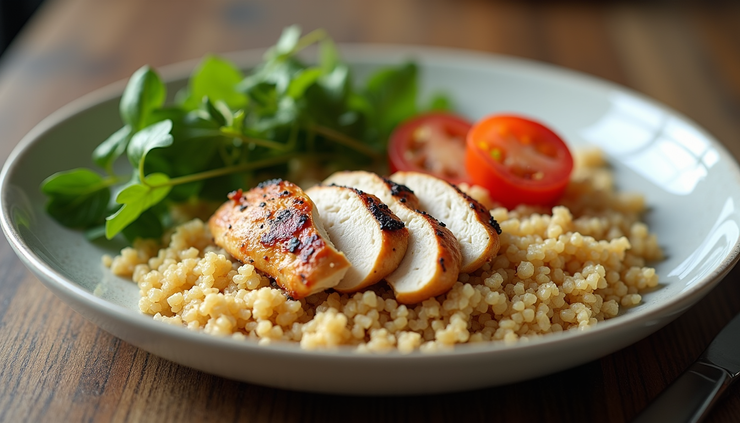
Why Protein Matters
Protein is one of the three macronutrients your body needs, alongside carbohydrates and fats. It serves as the building block for muscles, hair, skin, enzymes, hormones, and other vital body tissues. Without enough protein, your body struggles to repair itself, maintain muscle mass, and support immune function.
Protein also helps regulate hunger by increasing feelings of fullness. This can be especially helpful if you’re trying to manage your weight. Research shows that higher protein intake can boost metabolism and reduce cravings, making it easier to stick to a healthy eating plan.
How Much Protein You Need
The amount of protein you need depends on factors like age, sex, kidney function, activity level, and health goals. The general recommendation for adults is about 0.8 grams of protein per kilogram of ideal body weight per day. For example, a person weighing 70 kg (154 lbs) would need around 56 grams of protein daily.
However, if you are active, pregnant, elderly, or trying to build muscle, your needs may be higher. Athletes often consume between 1.2 to 2.0 grams per kilogram to support muscle repair and growth. Older adults may benefit from increased protein to prevent muscle loss with aging.
What 30 Grams of Protein Looks Like on a Plate
Visualizing protein portions can make it easier to meet your daily needs. Here are some examples of foods that provide roughly 30 grams of protein: Note: It is about the protein in the food not the weight of the food
Chicken breast: About 100 grams (3.5 ounces) cooked
Salmon: Around 120 grams (4 ounces) cooked
Eggs: 4 large eggs
Greek yogurt: 1 cup (245 grams)
Lentils: 1.5 cups cooked
Tofu: 150 grams (about half a block)
Knowing these portions helps you plan meals that hit your protein targets without guesswork.
The Hand Portion Method for Protein
Your hand provides an easy way to estimate your right amount of protein at each meal.

🖐 One palm-sized portion = One serve of protein
This is roughly 20–30 grams of protein per serve, depending on the food and your hand size.
Label Reading for Protein-Rich Foods
When buying packaged foods, comparing products or if you are a calorie counter, use this simple protein density trick.
The Protein Density Hack (My Go-To Trick)
Take the grams of protein per serving and multiply by 10. If that number is close to — or higher than — the calories, it’s a good protein choice.
If it’s much lower, the food is likely providing more carbohydrate or fat than protein.
💡 Tip: If the label only shows kilojoules (kJ), a simple shortcut is for every 100 kJ, think 25 calories. Always use per serving, not the whole packet, to get a realistic picture for your meal or snack.
This makes it easier to spot genuinely protein-rich options without getting overwhelmed by labels.

Plant vs Animal Protein
Both plant and animal proteins provide essential amino acids, but they differ in quality and nutrient profiles.
Animal proteins like meat, fish, eggs, and dairy are complete proteins, meaning they contain all nine essential amino acids your body cannot produce. They are also rich in vitamin B12, iron, and zinc.
Plant proteins such as beans, lentils, nuts, seeds, and grains often lack one or more essential amino acids but can be combined throughout the day to form complete proteins. Plant sources also offer fiber, antioxidants, and lower saturated fat.
Choosing a mix of both can provide balanced nutrition. For vegetarians and vegans, combining foods like rice and beans or hummus and whole wheat bread ensures adequate amino acid intake.
Other plant-based options like spirulina, nutritional yeast, or protein-enriched grains can also contribute to daily protein intake.
Protein Powders
Protein powders can be a convenient way to boost intake, especially for busy lifestyles or athletes. Common types include whey, casein, soy, pea, and rice protein.
When choosing a protein powder, check the label for:
Protein content per serving: Aim for 20-30 grams
Ingredients list: Avoid powders with added sugars, fillers, or artificial additives
Source of protein: Choose one that fits your dietary preferences (animal or plant-based)
Third-party testing: Look for certifications ensuring product quality and safety
Using protein powders as a supplement, not a replacement for whole foods, helps maintain a balanced diet.

Protein bars: While convenient, many are high in sugar and highly processed. If you need a quick protein snack, whole foods like a hard-boiled egg, Greek yoghurt, or nuts and seeds are usually a better choice. Bars can be useful occasionally, but shouldn’t replace meals.
Collagen & Bone Broth: Both support joints, skin, connective tissue, and gut health - Collagen can be added to coffee to help soften cortisol spikes, while bone broth works beautifully in soups or cooking. They’re nourishing but not complete proteins, so they shouldn’t replace regular protein-rich foods if your goal is muscle repair or meeting daily protein needs.
Extra Tips
Spread protein evenly across your meals to support muscle maintenance, steady energy, and better appetite control.
Starting your day with a good protein source will help balance blood sugar, prevent the 3 pm “hangry” slump, and curb cravings
Final Thoughts
Protein is essential for muscle repair, hormone balance, immunity, and steady energy. Whether you choose animal, plant, or a mix of both, the key is variety, quality, and spreading protein throughout your day.
Use the hand portion method to make it simple, and don’t be afraid to experiment with powders, collagen, or bone broth to fit your lifestyle — just remember that whole foods come first.
Want an easy way to put this into practice? Grab my Healthy Gut Balanced Plate method for free — just click here. It shows you exactly how to balance your meals for protein, fibre, and overall gut-friendly nutrition.


